
 Wonder Wash
 Book Service
 Pricing
 Areas We Serve
 How It Works
 Refer A Friend
 Buy Gift Card
 Redeem Gift Card
 Faq's
Faq's
 Blog
Blog
Blog details
tester sdfsa
Blog content can take many forms, from articles and case studies to infographics and quizzes. A well-crafted blog post can be educational, informative, or even entertaining, offering valuable insights to readers and enhancing engagement with the brand

Types of Blog Content:
- Infographics: Visually appealing presentations of data and information.
- Quizzes: Interactive content that engages readers and tests their knowledge.
- Guest Posts: Articles written by external authors, bringing in new perspectives and expertise.
- Educational Posts: Tutorials, guides, and how-to articles that provide knowledge and instruction.
- Human Interest Blog Posts: Stories that connect with readers on an emotional level.
- Inspirational Stories: Tales that motivate and encourage readers.
- Glossary Posts: Definitions of key terms and concepts.
- Category Pages: Organized collections of blog posts within a specific topic.
- Content Curation: Sharing and amplifying valuable content from other sources.
- Expert Roundups: Compilations of insights from multiple experts.
- Blog Posts: These are the core of a blog, covering a wide range of topics and formats.
- Case Studies: These provide real-world examples of how a product or service has been used successfully.
Writing Engaging Blog Posts:
- Understand Your Audience: Know your target audience and their needs, interests, and pain points.
- Conduct Keyword Research: Identify relevant keywords and phrases that your audience is searching for.
- Structure Your Post: Use headings, subheadings, and bullet points to make your content easy to read and digest.
- Add Visual Elements: Use images, videos, and infographics to make your post more engaging.
- Promote Your Blog: Share your blog posts on social media and other channels.
Example of Blog Post:
A blog post could be about "How to Write a Great Blog Post." It could include:
- Introduction: A captivating opening that grabs the reader's attention.
- Planning: Discussing the importance of planning and keyword research.
- Writing: Tips on writing a clear, concise, and engaging post.
- Formatting: How to structure your post with headers and subheadings.
- Adding Visuals: The importance of images and other media.
- Promoting: Strategies for sharing your blog post and reaching your audience.
- Conclusion: A summary of key takeaways and a call to action.
Recent Posts
Types of Blog Content:
- Infographics: Visually appealing presentations of data and information.
- Quizzes: Interactive content that engages readers and tests their knowledge.
- Guest Posts: Articles written by external authors, bringing in new perspectives and expertise.
- Educational Posts: Tutorials, guides, and how-to articles that provide knowledge and instruction.
- Human Interest Blog Posts: Stories that connect with readers on an emotional level.
- Inspirational Stories: Tales that motivate and encourage readers.
- Glossary Posts: Definitions of key terms and concepts.
- Category Pages: Organized collections of blog posts within a specific topic.
- Content Curation: Sharing and amplifying valuable content from other sources.
- Expert Roundups: Compilations of insights from multiple experts.
- Blog Posts: These are the core of a blog, covering a wide range of topics and formats.
- Case Studies: These provide real-world examples of how a product or service has been used successfully.
Writing Engaging Blog Posts:
- Understand Your Audience: Know your target audience and their needs, interests, and pain points.
- Conduct Keyword Research: Identify relevant keywords and phrases that your audience is searching for.
- Structure Your Post: Use headings, subheadings, and bullet points to make your content easy to read and digest.
- Add Visual Elements: Use images, videos, and infographics to make your post more engaging.
- Promote Your Blog: Share your blog posts on social media and other channels.
Example of Blog Post:
A blog post could be about "How to Write a Great Blog Post." It could include:
- Introduction: A captivating opening that grabs the reader's attention.
- Planning: Discussing the importance of planning and keyword research.
- Writing: Tips on writing a clear, concise, and engaging post.
- Formatting: How to structure your post with headers and subheadings.
- Adding Visuals: The importance of images and other media.
- Promoting: Strategies for sharing your blog post and reaching your audience.
- Conclusion: A summary of key takeaways and a call to action.

How do ironing North Dallas service keep...
Linen and cotton. Two of the most beloved fabrics for their breathability,...
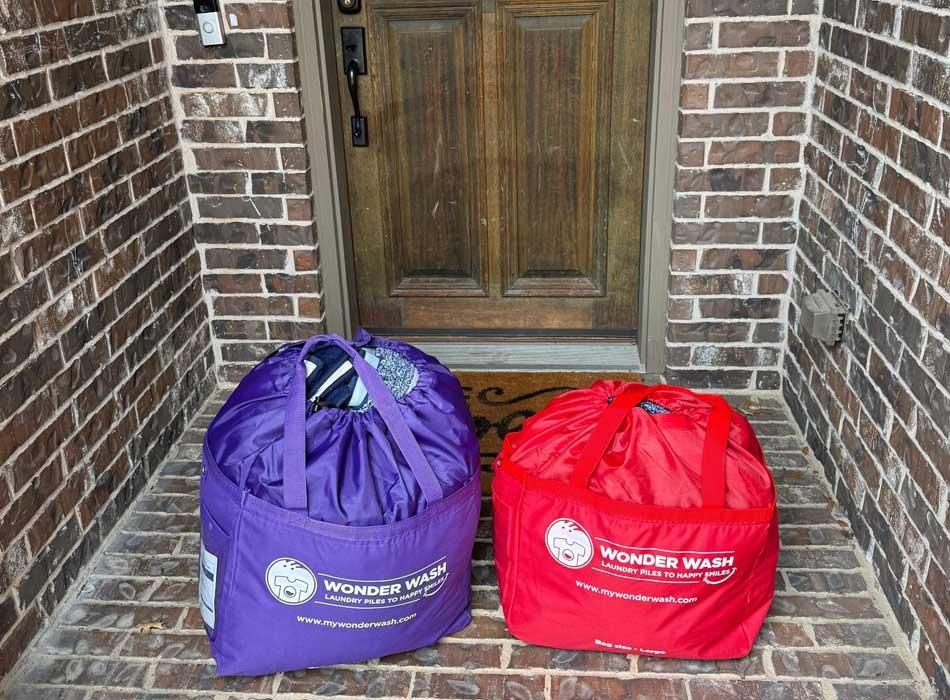
Why Best Laundry Pickup and Delivery Is...
For working parents, busy professionals, and anyone juggling multiple commitments, the time...

Laundromat vs Laundry Pickup Service in...
Winner can vary; check each provider’s sustainability practices. If this matters to...